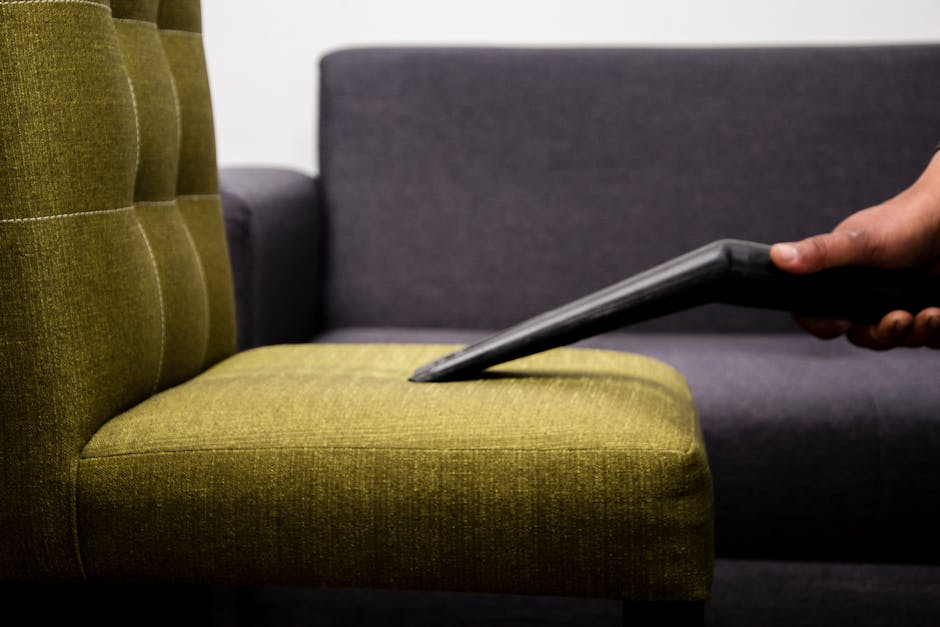
Headstone Lane upholstery cleaning options in Wealdstone: a practical local guide
If your sofa is looking tired, your dining chairs have picked up a few mystery marks, or the arm of that favourite armchair has started to look a bit grey around the edges, you are in the right place. Headstone Lane upholstery cleaning options in Wealdstone are not just about making fabric look better; they are about protecting furniture, improving day-to-day comfort, and keeping your home or workplace feeling properly cared for. Truth be told, upholstery gets more abuse than most people realise. We sit on it, spill on it, pets nap on it, and somehow it quietly keeps going.
In this guide, we will walk through the main cleaning methods, when each one makes sense, what to avoid, and how to choose a sensible service without overcomplicating things. If you want a broader look at fabric care, the main upholstery cleaning service page is a useful starting point, and for related soft-furnishing care you may also want to look at sofa cleaning and stain removal.
Let's face it, upholstery is one of those things people ignore until it bothers them. But once you understand the options, the decision becomes much easier. And yes, it can be surprisingly satisfying to see a dull seat come back to life.
Why Headstone Lane upholstery cleaning options in Wealdstone Matters
Upholstery plays a bigger role in everyday life than most people give it credit for. In a living room, it is the thing everyone uses first. In a waiting area, it shapes the impression people get before anyone says a word. On a practical level, it also traps dust, body oils, crumbs, pet hair, and airborne particles that settle over time. That is why Headstone Lane upholstery cleaning options in Wealdstone matter whether you are dealing with a family sofa, office seating, or a cherished armchair that has seen better days.
The main point is not just appearance. Fabric that is cleaned properly tends to last longer and feel fresher. You may notice the difference immediately when you sit down. Less musty smell, fewer dark hand marks, and a texture that no longer feels sticky or flat. Small thing? Maybe. But it changes the room.
There is also a local practicality to think about. Homes in busy parts of London can pick up grime faster than people expect, especially when windows are open, shoes are coming in and out, or you have children and pets moving through the same rooms all day. A sensible cleaning routine can help furniture stay presentable between deeper cleans. If your situation is more commercial, commercial carpet cleaning may also be worth considering alongside seating care, because shared spaces tend to accumulate visible wear quickly.
A good upholstery clean can be restorative, but it should not be treated like a one-size-fits-all fix. Different fabrics, dyes, fillings, and frame conditions require different approaches. That is where the options become important.
How Headstone Lane upholstery cleaning options in Wealdstone Works
Most professional upholstery cleaning follows a fairly simple logic: inspect the material, identify the soil level and stain type, choose the safest cleaning method, test in a small area, then clean, rinse or extract, and dry properly. Simple on paper, a bit more nuanced in practice.
The first step is identification. Cotton, wool blends, synthetic microfibres, velvet, and leather-like materials all behave differently. A technician usually checks the fabric type, condition, and any care labels. Some pieces can handle moisture well, others need a much more restrained treatment. If you have ever seen a cushion go patchy after a DIY spray-and-rub session, you will know why this matters.
Here are the main methods you will usually see in a local upholstery clean:
- Hot water extraction: useful for many fabric sofas and chairs where deep soil needs to be lifted out.
- Low-moisture cleaning: helpful when the fabric cannot be soaked or when quicker drying is a priority.
- Spot and stain treatment: targeted work for spills, marks, and isolated problem areas.
- Dry compound or foam-based approaches: sometimes chosen for delicate items or situations where water use must be limited.
In many homes, the best result comes from a blend of methods rather than one dramatic technique. For example, a sofa may need targeted stain work on the arms, a controlled wash on the seat cushions, and a gentle finish on decorative fabric panels. Nothing fancy. Just careful work.
Odours are another common issue. Pet smells, cooking smells, and general stale-room odours can cling to fibres, especially if the room is warm or poorly ventilated. For persistent pet-related issues, it can help to combine upholstery work with pet stain odour removal, because the visible mark and the lingering smell are not always the same problem.
Key Benefits and Practical Advantages
There are several reasons people choose upholstery cleaning beyond the obvious "it looks better" answer. And some are more practical than others.
- Longer furniture life: soil and grit can wear fibres down over time.
- Better hygiene: cleaned upholstery feels fresher and less grubby to live with.
- Improved appearance: colour often looks brighter once surface dirt is removed.
- Odour reduction: fabric can hold onto smells in a way hard surfaces do not.
- Better first impressions: useful in homes, lettings, offices, and customer-facing spaces.
- More comfortable use: clean upholstery simply feels nicer. There, that is the honest truth.
One practical advantage people sometimes overlook is consistency. If a set of dining chairs or reception seats all look similar in age but one or two are much darker, a professional clean can bring the set back into visual balance. That makes rooms feel calmer, oddly enough. Less patchy. Less "we meant to sort that".
For households, this can be especially helpful before guests visit, after winter months, or when you are preparing a room for photography or a rental changeover. For workplaces, clean seating supports a better environment without the need for a full refit. That is usually money better spent elsewhere.
Who This Is For and When It Makes Sense
Headstone Lane upholstery cleaning options in Wealdstone make sense for a wide range of people, but the timing and method will differ depending on the situation.
Homeowners and tenants: If your sofa has visible traffic marks, food stains, pet hair build-up, or an all-around tired look, cleaning can be a smart middle ground between living with it and replacing it.
Landlords and letting agents: Upholstery in furnished properties needs to be presentable between tenancies. Even a quick refresh can make a place feel more cared for, which tends to matter when viewings are involved.
Office managers and small businesses: Waiting rooms, break-out chairs, and upholstered meeting furniture quietly collect wear. A periodic clean can keep things looking professional without making a big song and dance about it.
Families with pets or children: These households usually need more frequent attention. Spills happen. That is life. The key is to deal with them before they become set-in marks or persistent smells.
People with allergies or sensitivities: Cleaning can reduce embedded dust and general build-up, though it is wise to be cautious about product choice and drying time if sensitivities are a concern.
When does it make sense to book? Usually when the furniture is visibly dull, smells stale, has repeated spill marks, or you are seeing marks that regular vacuuming will not touch. If a spill is recent, it may be better to act quickly rather than wait for a scheduled deep clean.
Step-by-Step Guidance
If you are comparing Headstone Lane upholstery cleaning options in Wealdstone, it helps to know what a sensible process looks like. That way you can ask better questions and avoid guessing.
- Check the fabric type. Look for care labels, manufacturer guidance, or any previous cleaning notes. If you do not have them, take clear photos and note the material as best you can.
- Identify the problem. Is it general dullness, a specific stain, a smell, pet hair, or all of the above?
- Decide what is realistic. A 10-year-old mark is not the same as a fresh coffee spill. Expect improvement, not magic.
- Ask about the method. The best approach depends on fabric sensitivity, drying time, and the type of dirt.
- Prepare the room. Move loose items, clear side tables, and make access easy. It sounds small, but it saves time and hassle.
- Test first. A small spot test is standard practice on many fabrics.
- Clean in stages. Pre-treatment, agitation if needed, extraction or controlled removal, then careful drying.
- Inspect the result. Check arms, seams, headrests, and cushion fronts, because those are the places that usually tell the truth.
If you are booking a broader fabric-care visit, you may want to combine seating with curtain cleaning or even rug cleaning. The room feels more complete when soft furnishings are treated together, and the visual result is usually better too.
Do not rush drying. That is where a lot of people get impatient and then end up back at square one. Open windows where practical, use airflow, and keep pets off the furniture until it is fully dry. You know how it goes - one damp paw print and the whole effort feels a bit daft.
Expert Tips for Better Results
Here is the sort of advice that tends to save time, reduce risk, and improve the final result.
- Vacuum before any wet cleaning. Removing loose grit first helps prevent it from turning into muddy residue.
- Deal with spills quickly. Blot, do not rub. Rubbing pushes the mark deeper and can rough up the fibres.
- Check for colour sensitivity. Bright dyes, patterned fabrics, and velvet-style finishes need extra care.
- Use the lightest method that can do the job. Not every sofa needs a heavy wash.
- Pay attention to armrests and head areas. These often hold the most visible body oils and grime.
- Keep cleaning products off unknown materials. If the care label is missing, caution wins.
- Allow adequate drying time. Moisture trapped in cushioning can cause unpleasant smells later.
One small but useful tip: if you are dealing with a stain, take a clear photo before any attempt at cleaning. If the mark changes during the process, having a record helps you understand whether the stain is lifting or just spreading. It sounds obvious after the fact, of course.
Also, if you have multiple fabric items, prioritise the most-used surfaces first. The sofa in the main sitting room usually matters more than the spare-chair nobody sees. Not glamorous, but practical.
Common Mistakes to Avoid
People often create the very problem they were trying to solve. Annoying, but common.
- Using too much water: over-wetting can leave marks, slow drying, and flatten fibres.
- Scrubbing aggressively: this can distort fabric or spread the stain.
- Mixing random products: household cleaners are not always compatible with upholstery fibres.
- Ignoring the care label: a small code or warning can save a costly mistake.
- Leaving stains too long: some substances bond more firmly as they age.
- Forgetting the odour source: if a smell is underneath a cushion or inside the padding, surface cleaning alone may not solve it.
- Choosing the cheapest option without checking methods: cheaper is not always worse, but you do want to know what you are paying for.
A very common error is assuming all cleaners use the same process. They do not. The difference between a well-judged clean and a heavy-handed one can be the difference between "that looks great" and "hmm, I hope that dries out properly".
If you are comparing services, it is sensible to look at related pages like stain removal and steam carpet cleaning to understand how different cleaning approaches are used across fabrics and flooring. That broader picture makes the upholstery decision easier.
Tools, Resources and Recommendations
You do not need a van full of equipment to make sensible choices, but it helps to know what good upholstery care normally involves.
- Vacuum with upholstery attachment: the basics still matter most.
- Soft fabric brush: useful for loosening lint and hair without harsh abrasion.
- Microfibre cloths: handy for gentle blotting and surface work.
- Spot-testing kit or small test area: not glamorous, but wise.
- Airflow support: open windows, fans, or heating used sensibly to help drying.
- Protective throws or covers: useful after a clean if the furniture gets heavy daily use.
When choosing a service, ask straightforward questions. What method do they recommend for your fabric? How do they handle delicate materials? What is the expected drying time? Do they carry out a test first? Those are the sorts of questions that separate a thoughtful provider from someone who is just winging it. Nobody wants the winging-it option.
If you want to understand the wider company approach before booking, pages such as about us, pricing and quotes, and insurance and safety are useful for building confidence in how the work is handled and what standards are expected.
Law, Compliance, Standards, or Best Practice
For upholstery cleaning, the most relevant point is not a single headline law but a combination of good practice, safe handling, and honest communication. In the UK, service providers are generally expected to work carefully, use products appropriately, and take sensible precautions around property, health, and safety. If a fabric item has a care label, that guidance should be respected. If there is a risk of colour bleed, shrinkage, or damage to the filling, the cleaner should proceed cautiously or decline the method that would put the item at risk.
From a customer perspective, good practice includes clear pricing, transparent expectations, and realistic claims. That means no overpromising, no pretending every stain can be removed, and no glossing over drying times. It is also fair to expect a provider to have policies that explain how they handle safety, complaints, privacy, and payment. These things are not glamorous, but they matter. A lot.
For sensitive households or workplaces, it is sensible to ask about product use and ventilation. If someone in the property has allergies, respiratory concerns, or heightened sensitivity to smell, it may be wise to request a gentler approach and plan for additional airing time. Not dramatic, just sensible.
If sustainability is important to you, it can also be worth reviewing how waste, water use, and product choices are handled. A company that thinks carefully about cleaning practice tends to think carefully about the rest of the job too.
Options, Methods, or Comparison Table
Choosing the right upholstery cleaning method usually comes down to fabric type, soil level, drying time, and how delicate the item is. The table below gives a plain-English comparison.
| Method | Best for | Strengths | Things to watch |
|---|---|---|---|
| Hot water extraction | Many fabric sofas and chairs | Deep soil removal, strong freshening effect | Needs proper drying; not ideal for all delicate fabrics |
| Low-moisture cleaning | Items needing faster turnaround | Quicker drying, less water exposure | May be less aggressive on heavy build-up |
| Spot treatment | Isolated stains | Targets problem areas directly | Can sometimes leave a halo if used badly |
| Foam or dry compound | Delicate materials or moisture-sensitive items | Controlled application, lower wetness | May not suit very heavy soiling |
In practice, the best result often comes from using one method to support another. A soft chair with a few small marks may only need targeted treatment. A family sofa with years of everyday use may need a fuller clean. There is no prize for overdoing it.
If you are also caring for heavier upholstered pieces, mattress cleaning can be relevant in the same household because the same principles apply: fabric type, staining, airflow, and careful drying.
Case Study or Real-World Example
Here is a very typical local scenario. A family in Wealdstone has a three-seat fabric sofa in the main living room. Over time, the arms have darkened, the seat cushions look flatter, and there is a faint pet smell after rainy days when the dog comes in from the garden. Nothing disastrous. Just everyday life adding up.
They start by vacuuming properly and checking the care label. One section of fabric appears slightly more delicate than the rest, so a cautious test is carried out. The arms and seat fronts are treated first because that is where the worst build-up sits. A targeted stain treatment is used on a small drink mark near the corner cushion, while the pet smell is addressed as part of the overall fabric treatment rather than with a spray that only covers the issue temporarily.
By the end, the sofa does not look brand new - and it does not need to. What changes is the overall feel of the room. The sofa looks lighter in colour, the odour is reduced, and the whole space feels less stuffy. That is usually the real goal. Not perfection. Just a clean, livable result that feels good to sit on after a long day.
If the same household also had curtains and a rug in the room, the effect would be even stronger. Soft furnishings tend to influence each other visually, so cleaning one item often highlights the need to freshen the others. A bit unfair, perhaps, but that is how the eye works.
Practical Checklist
Use this checklist before booking or carrying out upholstery cleaning:
- Check the fabric type or care label.
- Identify whether the main issue is dirt, stain, odour, pet hair, or wear.
- Decide if the item needs deep cleaning or a lighter refresh.
- Ask what method is recommended for the fabric.
- Confirm whether a test patch will be done first.
- Clear the area around the furniture.
- Plan for drying time and ventilation.
- Protect the item after cleaning if it will be used heavily.
- Review related services if needed, such as curtain cleaning or rug cleaning.
- Ask for a written quote or clear price explanation before work begins.
Key takeaway: the best Headstone Lane upholstery cleaning options in Wealdstone are the ones that match the fabric, the problem, and the space - not just the ones that sound most dramatic.
Conclusion
Headstone Lane upholstery cleaning options in Wealdstone cover a lot more than a quick surface refresh. The right approach can make furniture look better, last longer, smell fresher, and feel far more comfortable in day-to-day use. More importantly, it helps you avoid the costly mistakes that come from guessing at fabric care or rushing into a one-size-fits-all clean.
The smart move is to start with the fabric, identify the real issue, and choose the lightest effective method. That may be a focused stain treatment, a low-moisture clean, or a fuller deep clean for well-used seating. Either way, a little knowledge goes a long way. And once you have seen the difference on a sofa that has been quietly bothering you for months, you will probably not leave it so long next time.
If you are comparing options, checking service details, or simply want a clearer idea of what to expect, explore the relevant pages on the site and take the next step when you are ready. Clean upholstery changes how a room feels. Simple as that. It can be a small reset, but sometimes that is exactly what a space needs.
Get a free quote today and see how much you can save.
Frequently Asked Questions
What are the best Headstone Lane upholstery cleaning options in Wealdstone for a fabric sofa?
The best option depends on the fabric and the level of soiling. For many fabric sofas, hot water extraction or a controlled low-moisture clean works well. If the sofa is delicate, a gentler method may be safer.
How often should upholstery be cleaned?
That depends on use. A family sofa with children or pets may need attention more often than a spare chair in a quieter room. If furniture looks dull or smells stale, it is probably due.
Can upholstery cleaning remove old stains?
Sometimes, yes, but not always fully. Older stains are harder because they may have bonded with the fibres. A good clean can still improve the appearance even if the mark does not disappear completely.
Is steam cleaning safe for all upholstery?
No, not all upholstery can handle the same level of moisture or heat. The fabric type and manufacturer guidance matter. A cautious test is usually the sensible starting point.
How long does upholstery take to dry after cleaning?
Drying time varies by method, fabric, ventilation, and room temperature. Low-moisture methods usually dry faster, while deeper cleans may need more time. Good airflow helps a lot.
Will upholstery cleaning remove pet smells?
It can help significantly, especially when the smell is in the fabric rather than deep in the padding. For stronger pet issues, combining upholstery cleaning with targeted odour treatment is often better.
Can I clean upholstery myself at home?
You can do light maintenance yourself, such as vacuuming and careful spot blotting. But for deeper cleaning or tricky fabrics, professional treatment is often safer and more effective.
What should I do before a cleaner arrives?
Clear the area around the furniture, remove loose cushions if appropriate, and make a note of any stains or delicate areas. It makes the job quicker and reduces the chance of mistakes.
Are dining chairs worth cleaning, or should I just replace them?
If the frames are sound and the fabric is only dirty or stained, cleaning is usually worth considering. Replacement makes sense when the upholstery is damaged beyond sensible repair.
How do I choose between different upholstery cleaning methods?
Start with the fabric type, the stain or dirt level, and how quickly you need the item back in use. A good provider should explain why one method is safer or more effective than another.
Can cleaning damage the fabric?
It can if the wrong method or product is used. That is why testing, fabric checks, and careful moisture control matter so much. Good practice reduces the risk considerably.
Is upholstery cleaning useful for offices and commercial spaces?
Yes, very much so. Office seating, reception furniture, and waiting-room chairs pick up wear quickly. Regular cleaning helps spaces look professional and feel better for staff and visitors.
What other services are useful alongside upholstery cleaning?
Depending on the room, you may also benefit from carpet, curtain, rug, or stain treatment. Coordinating soft-furnishing care can give a much more balanced result than cleaning just one item.
How do I know if a cleaner is being realistic about results?
Look for careful explanations rather than big promises. If someone explains fabric limits, drying times, and stain uncertainty clearly, that is usually a good sign they know what they are doing.