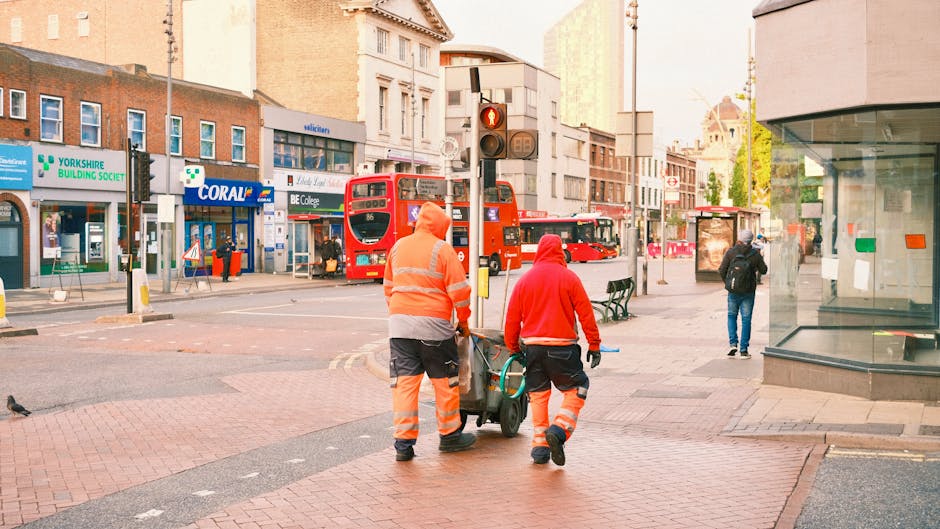
Wealdstone town centre commercial cleaning services explained
If you run a shop, office, salon, cafe, clinic, or managed property in Wealdstone town centre, you already know this: cleanliness is not just about looking good for five minutes on a busy morning. It affects first impressions, hygiene, staff morale, and sometimes even how smoothly the whole day runs. This guide to Wealdstone town centre commercial cleaning services explained breaks the subject down in plain English, so you can understand what commercial cleaners actually do, how the service is usually planned, and what to look for before you book.
Let's face it, a lot of pages on this topic are vague. They say "we clean businesses" and leave it there. Not very helpful, is it? Below, you'll find a practical, local-minded explanation of the process, the benefits, the common mistakes people make, and the best way to decide whether a service is right for your premises.
Why Wealdstone town centre commercial cleaning services explained Matters
Town centre premises in Wealdstone tend to have a few things in common: more footfall, tighter schedules, more visible dirt, and less room for mess to linger. A reception floor can collect gritty debris by lunchtime. A shop entrance can pick up marks from wet shoes. In a shared building, one neglected corridor can make the whole property feel tired.
Commercial cleaning matters because business spaces are used differently from homes. People track in more dirt, surfaces are touched by many hands, and the cleaning needs to fit around trading hours. There is also a trust element. If someone walks into a waiting room or retail space and sees smudges, odour, or stained upholstery, they form an opinion quickly. Sometimes unfairly, but that is how it works.
In practical terms, good cleaning supports three things:
- Presentation - your space looks cared for and professional.
- Hygiene - dirt, dust, and spill residue are handled properly.
- Longevity - carpets, fabric furniture, and other soft furnishings can last longer when maintained well.
If you want to see how a broader cleaning plan fits into the rest of a property's soft-furnishing care, it helps to look at related services such as commercial carpet cleaning and upholstery cleaning. Those services often sit inside a wider commercial cleaning schedule rather than existing as one-off jobs.
Practical takeaway: In a busy town-centre setting, the real value is not just "cleaner carpets" or "cleaner chairs". It is lower friction in daily operations. Fewer complaints, fewer visible problems, and a better impression at the door.
How Wealdstone town centre commercial cleaning services explained Works
Most commercial cleaning work follows a fairly sensible pattern, even if every premises is different. First, the cleaner needs to understand the site. Is it an office suite with a few carpets and meeting chairs? A hospitality venue with spills and odours? A medical or therapy space where discretion matters? The cleaning plan should reflect the actual use of the property, not a generic list copied from somewhere.
A proper service usually begins with a discussion of the areas to be cleaned, the materials involved, access arrangements, and timing. For example, many town centre businesses prefer early morning or after-hours appointments so cleaning does not interrupt customers or staff. That sounds obvious, but you would be surprised how often it gets overlooked.
For soft furnishings and floor coverings, the process often includes:
- Inspection - checking fibre type, wear, stains, high-traffic areas, and any risk points.
- Pre-treatment - loosening dirt or treating marked areas before the main clean.
- Deep cleaning method - for carpets this may involve hot water extraction or another suitable approach; for upholstery, a fabric-safe method chosen to suit the material.
- Spot and stain work - targeted treatment where marks need extra attention.
- Drying and final check - making sure the area is usable and the result is consistent.
When people hear "steam cleaning", they sometimes imagine a kind of theatrical fog machine. Truth be told, it is much more practical than that. The real point is controlled heat, moisture, and extraction used to lift embedded dirt from carpet fibres. If you want the details on that type of method, the page on steam carpet cleaning is a useful related read.
Different materials need different handling. A wool-rich carpet, for instance, should not be treated the same way as a synthetic commercial runner. Likewise, a fabric reception sofa is not just "a sofa". It has a weave, backing, wear pattern, and possibly old spill history. Cleaning well means respecting those differences.
Key Benefits and Practical Advantages
Commercial cleaning is one of those services that seems simple on the surface, then quietly supports a lot of business outcomes underneath. You feel the difference more than you notice it. A tidy, fresh space changes the tone of a working day.
1. Better first impressions
Town centre businesses live and die on presentation. Even a small entrance area can influence how customers feel before anyone speaks to them. Clean carpets, fresh upholstery, and stain-free touchpoints make a space feel looked after.
2. Less wear and tear
Ground-in dirt acts like grit underfoot. Over time, that can make carpets look tired faster than they should. Regular cleaning helps reduce that build-up. The same is true for upholstery and fabric seating, especially where people sit in the same place all day.
3. More manageable odours
Busy premises can hold on to smells from food, damp shoes, pets, cleaning products, or old spills. Odour is often a clue that something has settled deeper into fibres. If that is becoming an issue, a targeted approach such as pet stain odour removal or stain-focused treatment through stain removal may be relevant depending on the cause.
4. Less disruption than reactive cleaning
Reactive cleaning is the "oh no, sort it now" model. It can work for emergencies, but it is rarely the most efficient way to manage a busy site. A planned schedule is calmer. Cleaner. Less stressful. You know what is being handled and when.
5. A more professional environment for staff
People spend a lot of time in their work environment. A cleaner space tends to feel more organised, less cluttered, and easier to concentrate in. Not magic, just common sense.
6. Better support for specialist fabrics
Some premises use fabric-rich interiors: waiting-room chairs, curtains, rugs, and decorative upholstery. These can be cleaned as part of a broader maintenance plan. If your site includes soft furnishings beyond the floor, pages like curtain cleaning, rug cleaning, and sofa cleaning show how the work can be grouped sensibly.
Who This Is For and When It Makes Sense
This kind of service is not only for large offices. In fact, many of the most common commercial cleaning needs come from smaller, busier premises where presentation matters and there is no in-house team to handle deep cleaning properly.
It makes sense for:
- Retail units with heavy footfall and visible customer areas
- Offices that need carpets and upholstery kept presentable
- Cafes and hospitality venues where spills and odours build up quickly
- Clinics, salons, and treatment rooms where cleanliness supports trust
- Managed residential or mixed-use buildings with shared floors and communal soft furnishings
- Landlords and letting agents preparing a unit between occupiers
You may also need it after a specific event: a spill, a busy trading period, refurbishment dust settling into fibres, or a winter stretch when wet weather has made entrances grimy. January and November, in particular, can be... not kind to carpets.
If you are comparing different types of fabric care for your premises, it is worth understanding how carpet cleaning differs from upholstery cleaning. They overlap, but they are not the same job, and treating them as identical is one of the quickest ways to get mediocre results.
Step-by-Step Guidance
Here is the simple version of how to approach commercial cleaning in a town centre setting without overcomplicating it.
- Identify the problem areas. Look for visible marks, worn patches, odours, entryway dirt, and heavily used seating.
- Separate routine from deep cleaning. Daily vacuuming and wiping are not the same as scheduled extraction or fabric treatment.
- Choose the right method for each surface. Carpet, upholstery, curtains, and rugs all behave differently.
- Plan around business hours. Work out whether before-opening, after-closing, or weekend cleaning is least disruptive.
- Ask about drying time. This matters more than people think, especially where staff and customers need access quickly.
- Confirm stain handling. Some marks need specialist treatment; some need patience; some need honest expectations.
- Review the finish. Check edges, corners, entrance points, and the places people see first.
- Set a maintenance rhythm. A one-off clean may help, but regular care usually gives a much more stable result.
That last point is easy to skip when everyone is busy. But maintenance is where the long-term value tends to show up. One clean can make a difference; a sensible schedule can change how the whole place feels.
Expert Tips for Better Results
A few small decisions make a surprisingly big difference. These are the details that tend to separate a decent result from a genuinely good one.
- Vacuum before the cleaner arrives. It sounds basic, but removing loose debris helps the deep-cleaning stage work better.
- Point out known trouble spots. If there is a coffee stain by the window or a worn patch near the till, mention it early.
- Protect walkways after cleaning. If people will be entering before everything is fully dry, have a plan for mats or controlled access.
- Match the cleaning to the material. A one-size-fits-all approach is usually where things go wrong.
- Keep communication clear. Tell the cleaner when the site is quiet, where to park, and who will be available on arrival.
If your business also cares about how services are delivered behind the scenes, it can help to look at operational pages like health and safety policy, insurance and safety, and recycling and sustainability. They do not clean the carpet for you, obviously, but they do tell you a lot about how the company thinks.
One practical tip from real-world experience: if you are unsure about a stain, do not keep testing random products on it. That often spreads the mark or sets it deeper. Better to pause and ask first. A five-minute mistake can become a permanent one. Annoying, yes. Expensive too.
Common Mistakes to Avoid
People usually do not get commercial cleaning wrong because they are careless. They get it wrong because they are trying to solve the problem quickly and cheaply, which is understandable. Still, there are a few traps worth avoiding.
- Booking only when things look bad. By the time carpets are visibly tired, they may already need more work.
- Choosing a cleaner without checking suitability for commercial premises. Domestic and commercial requirements are not identical.
- Ignoring drying time. This can cause frustration, especially in busy customer-facing spaces.
- Not identifying sensitive materials. Delicate fabrics need care, not guesswork.
- Assuming all stain removal is guaranteed. Honest professionals will explain that some marks improve dramatically, some partially, and some not at all depending on what caused them and how long they have been there.
- Forgetting the entrance areas. These are often the dirtiest points and the most visible.
One small but common oversight: people sometimes clean only the obvious centre of the carpet and leave edges, under-chair zones, and threshold areas untouched. That leaves the room looking better, but oddly unfinished. Like polishing half a window.
Tools, Resources and Recommendations
You do not need to become a cleaning technician to manage a commercial cleaning programme well. But it helps to know the main categories of tools and service types that usually come up.
| Area | Typical approach | Why it matters |
|---|---|---|
| Carpets | Vacuuming, pre-treatment, deep extraction or steam-based cleaning | Removes embedded dirt and keeps the pile looking healthier |
| Upholstery | Fabric-safe cleaning, spot treatment, controlled moisture | Protects chairs, sofas, and waiting-area seating |
| Rugs | Careful fibre-specific treatment | Prevents distortion, dye bleed, or uneven cleaning |
| Curtains | Fabric-appropriate cleaning or refresh method | Improves appearance and helps reduce dust build-up |
| Special stains | Targeted stain removal | Improves the chance of lifting marks without damaging materials |
If you are building a broader maintenance plan, it helps to keep related service pages handy. The most relevant ones for many town-centre premises are commercial carpet cleaning, stain removal, and curtain cleaning. That mix covers a lot of the soft surfaces that quietly shape how a business feels.
Resource-wise, your best internal checklist is simple: what needs cleaning, what is the material, how urgent is the issue, how much disruption can you tolerate, and how often will the space need maintenance? Those five questions prevent a lot of mismatched bookings.
Law, Compliance, Standards, or Best Practice
For commercial cleaning, the main thing is not to confuse general advice with legal certainty. Requirements vary depending on the type of premises, the risks involved, and the policies already in place on site. In a practical sense, businesses should think about health and safety, access arrangements, safe use of cleaning chemicals, insurance, and who is responsible for what.
In the UK, good practice usually means:
- working with clear site access and communication
- using suitable products for the material being cleaned
- keeping people away from wet or recently treated surfaces where needed
- storing or handling equipment safely
- making sure the provider can explain its working method clearly
If your premises has staff, customers, or shared access, those points become even more important. A responsible provider should be able to discuss its approach to safety and liability in straightforward terms, not hide behind jargon.
It is also wise to check the company's written policies before you commit. Pages such as terms and conditions and payment and security may not be glamorous reading, but they help set expectations properly. Boring? A little. Useful? Very.
Options, Methods, or Comparison Table
Different commercial premises need different cleaning methods. Here is a simple comparison that helps you decide what is likely to be useful.
| Method | Best for | Strengths | Watch-outs |
|---|---|---|---|
| Routine vacuuming and surface care | Daily or frequent maintenance | Keeps dirt from building up | Not enough for deep staining or embedded soil |
| Steam or hot water extraction | Heavily used carpets and some fabrics | Strong deep-clean effect, good for traffic areas | Needs proper drying and suitable fibre type |
| Targeted stain treatment | Spills, spots, and marked areas | Focused, efficient, often the best first response | Not all stains can be fully removed |
| Upholstery cleaning | Reception seating, offices, waiting rooms | Refreshes visible soft furnishings | Fabric checks matter; moisture control is critical |
| Scheduled full-premises maintenance | Busy commercial sites | Predictable, easier to budget around | Requires planning and follow-up |
If you are looking at a single service page because one issue stands out, that is fine. But for many premises, the better answer is a mixed plan. Carpets, upholstery, and spot treatment often work together rather than separately.
Case Study or Real-World Example
Imagine a small professional office near Wealdstone town centre. Nothing dramatic. Two meeting rooms, a reception area, a corridor, and a handful of fabric chairs that get used constantly. Over time, the carpet at the entrance starts to look grey instead of blue. One chair near the window has a faint coffee ring. Staff stop noticing it after a while, which is exactly the problem.
What usually happens next is not panic. It is a simple reset. The site is inspected, the high-traffic areas are treated first, and the seating gets cleaned with the right method for the fabric. A stain that looked permanent may improve a lot once the right process is used. The entrance area, especially, tends to bounce back well when grit is removed properly.
Then the business manager sets a realistic maintenance rhythm. Not too ambitious. Just enough to stop the same buildup returning. That is the quiet win. The office feels lighter, more professional, and easier to walk into on a grey Monday morning. A tiny thing? Maybe. But these tiny things shape how people experience the place.
For a site with more fabric surfaces, the same logic applies to sofa cleaning and upholstery cleaning. In a town-centre business, these details often matter more than people expect.
Practical Checklist
Use this checklist before booking commercial cleaning for a premises in Wealdstone town centre.
- Have I identified the exact areas that need cleaning?
- Do I know whether the issue is routine dirt, a stain, an odour, or fabric wear?
- Have I checked what the flooring or upholstery is made from?
- Do I need cleaning outside business hours?
- Have I thought about drying time and access after cleaning?
- Do I need related services such as carpet, curtain, rug, or upholstery cleaning?
- Have I reviewed the provider's safety, insurance, and service terms?
- Do I have any known stains or trouble spots ready to point out?
- Is this a one-off clean or the start of a maintenance schedule?
- Have I got a clear next step for getting a quote or arranging a visit?
That list is simple on purpose. When the day is busy, simple wins.
Conclusion
When people ask for Wealdstone town centre commercial cleaning services explained, what they usually want is clarity. What is included? How does it work? What should I ask before booking? The honest answer is that good commercial cleaning is part inspection, part method, part timing, and part judgement. It should fit the way your business actually operates, not force your business to fit around the cleaning.
If you take only one thing from this guide, let it be this: the best results come from matching the right method to the right material, and planning the job around real use rather than assumptions. That small shift makes everything easier. Cleaner, too.
Get a free quote today and see how much you can save.
If you are still weighing up your options, a helpful next step is to look at the service pages most relevant to your premises, then decide what needs urgent attention and what can be scheduled sensibly. No drama. Just a clearer plan and a better space to work in.
Frequently Asked Questions
What does commercial cleaning usually include for a town centre business?
It usually includes cleaning and maintenance of business-use surfaces such as carpets, upholstered seating, rugs, and sometimes curtains, depending on the property. The exact scope depends on the site, the materials involved, and how the premises is used day to day.
How often should a busy Wealdstone town centre premises be cleaned?
That depends on footfall, the type of business, and how quickly dirt builds up. A busy customer-facing space often needs routine maintenance plus periodic deep cleaning. In practice, a mixed schedule is usually more effective than waiting until everything looks tired.
Is steam cleaning safe for commercial carpets?
It can be, if the carpet fibre and backing are suitable and the method is used correctly. The key is not the label "steam" itself, but whether the cleaning approach matches the material and drying time is managed properly.
What's the difference between carpet cleaning and upholstery cleaning?
Carpet cleaning focuses on floor coverings that take foot traffic and grit. Upholstery cleaning is for fabric seating and other soft furnishings, which need a more careful fabric-specific approach. They overlap in principle, but the handling is different.
Can commercial stain removal get rid of every mark?
No honest cleaner should promise that. Some stains lift very well, some improve partially, and some are permanent because of the spill type, the fibre, or how long the stain has been there. The best approach is usually to treat the stain early and carefully.
How long does commercial cleaning take?
It varies a lot. A small office with one or two problem areas may be quick, while a larger premises with carpets, seating, and stain work will take longer. Drying time is part of the overall job, so the usable time is not just the time spent cleaning.
Do I need to close my business during cleaning?
Not always. Many commercial jobs can be scheduled before opening, after closing, or during quieter periods. For some premises, controlled access is enough. The best option depends on the layout, the surfaces being treated, and how much disruption you can tolerate.
What should I ask before hiring a commercial cleaner?
Ask what surfaces they clean, what methods they use, how they handle stains, what drying time to expect, and whether they can work around your business hours. It also helps to ask about insurance, safety, payment, and the terms of service.
Why do entrance areas get dirty so quickly?
Because they take the most traffic. Shoes bring in grit, water, and debris, especially in wet weather. That first few metres of flooring often needs attention more often than the rest of the premises, even if the room beyond looks fine.
Are commercial cleaning services only for large companies?
Not at all. Small shops, salons, offices, and independent businesses often benefit just as much, sometimes more. A smaller premises can look untidy very quickly when it is busy, so maintenance matters there too.
Can related soft-furnishing services be booked together?
Yes, and that often makes practical sense. Carpet, sofa, rug, curtain, and upholstery cleaning can be organised as part of one wider maintenance plan. It is usually easier on scheduling and gives a more consistent finish across the whole space.
Where should I start if I'm not sure what my premises needs?
Start with the visible problem: dirt, staining, odour, wear, or all three. Then check the material type and the urgency. From there, decide whether you need a one-off clean or a repeat maintenance plan. That simple sequence keeps things manageable and, honestly, saves a lot of back-and-forth.
And if you're still undecided, that's fine. A good commercial cleaning plan should feel reassuring, not rushed. Once the right system is in place, the place just feels better. Simple as that.